How Emergency Dentist Ventura Helps During Serious Dental Setbacks
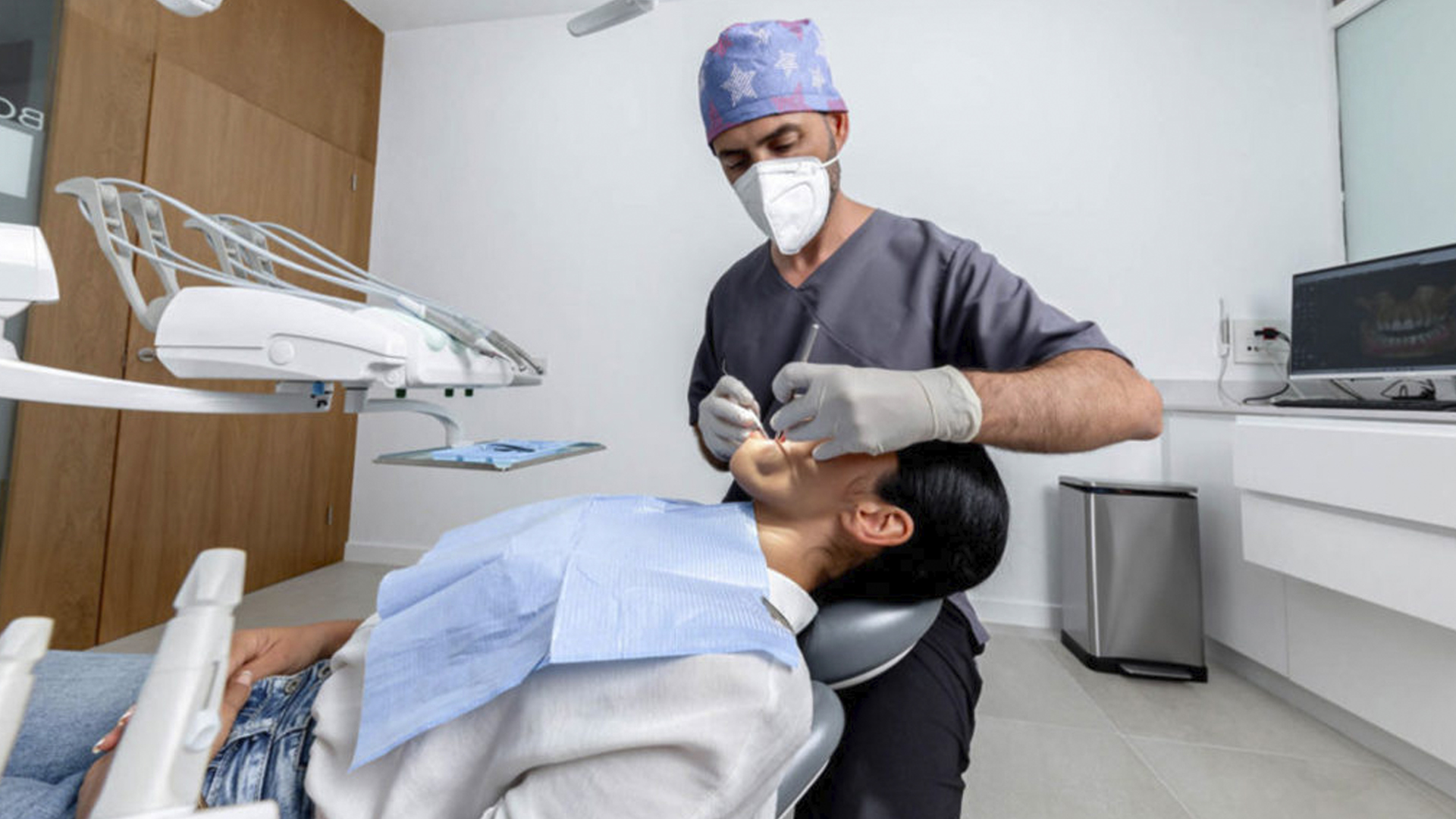
A true dental emergency has a way of taking over the day. It rarely happens at a convenient hour, and it almost never arrives with a gentle warning. One minute you are finishing lunch, coaching a soccer game, driving along the 101, or getting ready for bed. The next, a crown loosens, a front tooth chips, a swelling starts to build, or pain turns sharp enough to stop conversation.
That is where an Emergency Dentist Ventura becomes more than a search term. In a serious dental setback, speed matters, but so does judgment. The best emergency care is not just about seeing someone quickly. It is about identifying whether the problem is threatening the tooth, the surrounding bone, the bite, or in some cases the patient’s overall health. Good emergency dentistry combines triage, pain control, imaging, treatment, and realistic next steps, often in a single visit.
People often assume a dental emergency means only one thing, severe pain. In practice, urgent dental cases come in many forms. A knocked out tooth is obvious. A cracked molar that hurts only when chewing can be just as time sensitive. A swelling near a back tooth may look minor in the mirror and still signal a spreading infection. Even a broken denture can become an emergency if it leaves someone unable to eat, speak clearly for work, or avoid sore spots that quickly ulcerate.
Ventura patients also bring a local reality to these situations. Beach sports, cycling, surfing, school athletics, weekend hiking, and busy family schedules all create their own patterns of dental injury and delayed care. Some emergencies are traumatic, the result of a fall or direct blow. Others build quietly, the end point of an old filling, nighttime grinding, untreated decay, or gum disease that finally reaches a breaking point.
What counts as a serious dental setback
Not every tooth problem needs same day attention, but some deserve urgent evaluation. The challenge for patients is that the mouth can be deceptive. A small visible crack can hide a deep fracture. A gum boil that seems to drain and calm down can return with more pressure later. A toothache that fades after a day can actually mean the nerve inside the tooth is dying.
A serious setback usually falls into one of a few clinical patterns. There may be structural damage, such as a fractured tooth, dislodged crown, or avulsed tooth. There may be infection, often marked by swelling, throbbing pain, bad taste, or tenderness to pressure. There may be bleeding that does not stop easily after an extraction or trauma. There may also be sudden dysfunction, where the patient cannot bite normally, open comfortably, or use a dental prosthetic.
Dentists who handle emergencies regularly learn to look beyond the obvious complaint. Someone may call about a chipped tooth and arrive with a bite that has shifted because the tooth actually fractured below the gumline. Another patient may complain of gum pain and turn out to have food trapped under the tissue near a wisdom tooth, or a failing root canal on the neighboring molar. The first job is to determine what is actually happening, not simply what hurts the most.
The first hour matters more than most people think
There is a practical window in many dental emergencies where early action improves the outcome. A knocked out permanent tooth is the clearest example. If it can be placed back into the socket quickly, or stored properly and brought to a dentist without delay, the odds improve significantly. A cracked tooth can sometimes be stabilized before the fracture worsens under repeated chewing. An abscess caught early may be treated before swelling spreads into deeper spaces of the face.
That does not mean every urgent case becomes hopeless after a few hours. Dentistry is full of salvage opportunities. But timing changes the menu of treatment. A small fracture may be restored with bonding or a crown if handled early, while the same tooth may require root canal treatment or extraction after the crack deepens. A loose crown may be recemented if the underlying tooth is still sound, but repeated delay can allow decay, contamination, or additional breakage.
Pain is also easier to control when the problem is intercepted early. Once inflammation ramps up around a tooth nerve or infection starts pushing into the surrounding tissues, simple care becomes more complicated. The visit may still help immediately, but recovery tends to be slower and more uncomfortable.
Signs you should not ignore
Some symptoms deserve a prompt call because they can indicate a worsening condition, not just temporary discomfort.
- Facial swelling, especially if it is spreading or affecting the eye, jaw, or neck
- A permanent tooth that has been knocked out, shifted, or feels suddenly loose after trauma
- Bleeding in the mouth that continues despite steady pressure
- Severe pain that keeps you from sleeping, eating, or concentrating
- Fever, foul drainage, or trouble swallowing along with dental pain
When these signs appear together, the issue moves beyond inconvenience. A spreading infection, in particular, is not something to watch passively for two or three days.
How an emergency dental visit usually unfolds
A well run emergency appointment feels focused. The dentist and team are trying to answer three questions quickly. What is the source of the problem? What can be done today to protect the patient and the tooth? What follow up is necessary to finish the job properly?
That process usually starts with a short but targeted history. When did the pain begin, and did it start with cold, pressure, chewing, or swelling? Was there trauma? Has the patient taken antibiotics recently? Are there medical conditions or medications that affect bleeding, healing, or infection risk? Those details matter. A diabetic patient with facial swelling is managed differently from a healthy teenager with the same visible puffiness. A patient taking a blood thinner after heart surgery needs a different plan than someone with no medical limitations.
Next comes the exam. Emergency dentists look at the teeth, gums, bite, soft tissues, and jaw movement. They tap on teeth, test mobility, check for drainage, and often take radiographs. Sometimes the winning clue is small: a hairline crack visible only under bright light, tenderness on one root rather than the whole tooth, or a periodontal pocket that hints at a vertical fracture. Good emergency care is often detective work under time pressure.
Once the diagnosis is clearer, treatment can begin. In some cases the solution is definitive that day, such as recementing a crown, smoothing a sharp fracture edge, placing a sedative filling, draining an abscess, or repositioning and splinting a displaced tooth. In other cases the emergency visit is the stabilization phase. The patient may leave more comfortable and safer, but still need a root canal, crown, extraction, implant consultation, or specialist follow up later.
This distinction matters because many patients arrive hoping for a complete fix in one sitting. Sometimes that is possible. Sometimes it would be poor judgment to rush a final restoration onto a tooth that has active infection, uncertain prognosis, or recent trauma.
The problems emergency dentists see most often
Cracked and broken teeth are among the most common. Molars take heavy force every day, and small old restorations can turn into larger failures without much warning. A person bites a hard seed, an olive pit, or even crusty bread and suddenly feels a sharp split sensation. If the break exposes dentin or pulp, cold air can become agonizing. If the crack runs below the gumline, the tooth may be difficult to save.
Lost crowns and broken fillings sound less dramatic, but they can become urgent fast. When a crown comes off, the exposed tooth underneath may be temperature sensitive or structurally weak. If the remaining tooth is heavily built up, it can fracture after only a few meals. Many patients are surprised by how quickly a manageable problem becomes a much larger restorative case.
Infections deserve special respect. Dental abscesses can begin with a tooth that has bothered the patient off and on for weeks. Then one morning the face looks fuller, the gum feels tight, or there is a foul taste as pressure starts draining. Antibiotics alone are rarely the whole answer, because the source of infection is often trapped inside the tooth or surrounding tissues. The emergency dentist’s role is to reduce the immediate danger, relieve pain, and create drainage or access when needed, then complete the treatment plan so the infection does not rebound.
Trauma cases bring a different energy. Children and adults come in after falls, sports injuries, bike accidents, and occasional surfboard or elbow collisions. Front teeth may be chipped, pushed inward, or completely avulsed. Lip lacerations can hide tooth fragments. Jaw soreness can distract from the fact that one tooth has shifted out of occlusion. In these moments, calm sequencing matters. The dentist has to assess the soft tissue injury, the tooth injury, the bite, and whether there could be a fracture of the supporting bone.
What you can do before you get to the office
Home care is not a substitute for treatment, but a few steps can make a real difference during the trip to the dental office.
- Rinse gently with lukewarm water to clear blood or debris
- Use a cold compress on the outside of the face for swelling or trauma
- If a permanent tooth is knocked out, handle it by the crown, not the root, and keep it moist in milk or saliva
- Apply clean gauze with firm pressure if there is bleeding
- Avoid chewing on the injured side and skip very hot, cold, or sugary foods
People often ask whether they should glue a crown back on or place aspirin directly on the gum. Both are poor ideas. Household glues are unsafe in the mouth, and aspirin against gum tissue can cause a chemical burn. Over the counter temporary dental cement can sometimes help with a lost crown if used carefully and only as a short bridge to professional care, but it is not the right move for every case. If the tooth underneath is broken, highly sensitive, or decayed, forcing the crown back in place can make the visit harder.
Pain control is part of treatment, not an afterthought
When people picture emergency dentistry, they often think of heroic drilling under crisis conditions. In reality, pain management is one of the most immediate and valuable services an emergency dentist provides. Sometimes the patient does need definitive work that day. Other times the first win is quieter: reducing pressure inside the tooth, adjusting a traumatic bite, draining an infected area, covering exposed dentin, or prescribing medication based on the actual diagnosis.
This is where experience shows. Not all tooth pain behaves the same way, and not all pain points to the same solution. A nerve inside the tooth can create severe, radiating pain even when swelling is absent. A cracked tooth can be exquisitely painful on release of biting pressure but relatively calm at rest. A sinus issue can mimic an upper molar problem, while clenching can create diffuse ache in several teeth at once. A dentist emergency dentist in Ventura who sees emergencies often learns to separate these patterns efficiently.
Medication has a place, but it is not the whole strategy. Patients are often disappointed when they leave an urgent care center with antibiotics for a dental infection and no dental treatment. Antibiotics can be appropriate in cases involving swelling, fever, or spreading infection, but if the infected source remains sealed inside a tooth or under a failed restoration, symptoms often return. The mechanical problem usually needs a dental solution.
Why the diagnosis can change once imaging is taken
Patients sometimes arrive convinced they need a filling because something chipped, only to learn the tooth actually needs a crown or root canal. That shift is not upselling, it is anatomy. Teeth break in patterns that are hard to judge with the naked eye. A fracture line may extend into the pulp chamber. Decay may run under an old filling farther than expected. Bone loss around the root can turn what looked like a simple repair into a tooth with guarded prognosis.
Radiographs also help the dentist see hidden pathology. Infection at the tip of a root, internal resorption, recurrent decay under crowns, or impacted teeth contributing to pain can all change the plan. In some trauma cases, the x ray findings on day one are limited, and follow up imaging becomes just as important because pulpal damage can declare itself later.
That is one reason emergency visits often come with a second conversation after treatment. The first conversation is about stabilization. The second is about prognosis. Can this tooth predictably serve you for years? Will it need a crown after root canal therapy? Is extraction a more honest recommendation than repeated patchwork? Skilled emergency care includes that candor.
The role of temporary treatment, and why temporary does not mean trivial
Temporary restorations get an unfair reputation. Patients hear the word temporary and assume it is a weak placeholder with little value. In emergency dentistry, temporary treatment can be the difference between preserving a tooth and losing it.
A sedative filling can calm an inflamed tooth and buy enough time to complete root canal therapy under better conditions. A bonded repair on a fractured front tooth can protect exposed structures and restore appearance before definitive cosmetic work. A splint on a loosened tooth can allow the periodontal ligament to heal. Recementing a crown for a few weeks can prevent the underlying tooth from breaking further before the permanent solution is scheduled.
The important point is follow through. Temporary materials and emergency patches have a job, but they are not designed for indefinite service. One of the more frustrating patterns in practice is seeing a patient months after a quick emergency repair, now with deeper decay, a fracture, or gum inflammation because the planned follow up never happened.
Ventura patients often ask the same practical questions
Will the dentist pull the tooth right away if it hurts badly? Not necessarily. Extraction may be the right choice when a tooth is nonrestorable, severely fractured, or periodontally hopeless. But many painful teeth can be saved, and emergency dentists typically weigh relief, long term prognosis, cost, and patient preference before making that call.
Can a knocked out baby tooth be replanted? Usually no. Reimplanting primary teeth can harm the developing permanent tooth underneath. This is one of those situations where parents do the right thing by seeking urgent dental advice rather than improvising.
What if the swelling improves before the appointment? Keep the appointment. Intermittent drainage can reduce pressure temporarily, but the infection source is often still present. Relief does not equal resolution.
How fast should a chipped front tooth be seen if it does not hurt? Faster than many people think, especially if the edge is sharp, the appearance matters for work or school, or the chip followed trauma. Some front tooth injuries look cosmetic on day one and later show sensitivity or color change as the nerve responds.
The human side of emergency dentistry
There is also a reality that does not show up on x rays. Dental emergencies create embarrassment, panic, and sometimes guilt. People apologize for waiting too long. Parents feel terrible when a child gets injured at practice. Adults with broken front teeth worry about work meetings, photos, and simply speaking face to face. Someone with swelling may be more afraid of being judged for the condition of their mouth than of the treatment itself.
A seasoned emergency team knows this and adjusts accordingly. They explain what they see in plain language. They separate urgent needs from elective upgrades. They keep the patient focused on the next right step. This calm matters more than people realize. Pain narrows attention, and anxiety makes every choice harder. Even straightforward treatment feels more manageable when the team projects competence without drama.
I have seen patients walk in hunched and guarded, speaking through clenched teeth, certain the visit would end badly. After diagnosis, local anesthesia, drainage, or a simple protective restoration, their shoulders drop. The relief is physical, but it is also emotional. They now know what is wrong, what can be done, and what comes next. That certainty is part of the service.
Aftercare can determine whether the emergency stays resolved
The treatment itself is only half the story. Healing depends on what happens in the next few days. If the dentist advises a soft diet, it is usually for a reason. A recently repaired fracture, a tooth with a temporary filling, or a splinted tooth needs reduced force while tissues settle. If antibiotics are prescribed, they need to be taken exactly as directed, not stopped when the patient feels better on day two. If a follow up crown is recommended after root canal treatment, postponing it can allow the tooth to split.
Aftercare instructions should be specific enough to be usable. What is normal soreness, and what is not? When should swelling be better? Is a little oozing after an extraction expected? Should the patient avoid a straw, smoking, or vigorous rinsing? Precision here prevents preventable setbacks.
The same goes for return precautions. A patient should know when to call back urgently, such as worsening swelling, fever, uncontrolled bleeding, a temporary coming off over the weekend, or a bite that feels dramatically off after trauma treatment.
Choosing the right emergency dental response
Not every urgent mouth problem belongs in a hospital emergency department, and not every facial injury belongs only in a dental office. The line depends on the symptoms. Severe swelling affecting breathing or swallowing, major facial trauma, suspected jaw fracture, uncontrolled bleeding, or systemic illness alongside dental infection may require hospital level evaluation. But many painful, urgent, tooth specific problems are managed more effectively by an Emergency Dentist Ventura because that office has the tools and training to address the source directly.
That distinction saves time and often improves outcomes. Hospitals are essential when the emergency extends beyond the tooth. Dental offices are essential when the emergency is the tooth.
The best emergency dental care does three things well. It relieves immediate distress, protects long term oral health, and tells the truth about what is salvageable. Some visits end with a simple repair and a normal week by Friday. Others begin a more involved recovery that may include endodontic therapy, oral surgery, or restorative planning. Either way, the value lies in rapid, skilled intervention before a painful setback becomes a lasting one.
When a serious dental problem hits, patients do not need theatrics or vague reassurance. They need a clear diagnosis, competent hands, and a plan grounded in reality. That is exactly where emergency dentistry proves its worth.
Avra Dental
1708 S Victoria Ave B, Ventura, CA 93003, United States
Phone: +1 805-765-3206
FAQ About Emergency Dentist Ventura
Can the ER do anything for tooth pain?
An emergency department can assess serious symptoms and provide temporary relief, but definitive dental treatment usually requires a dentist. Trouble breathing or swallowing, uncontrolled bleeding, or swelling spreading into the neck requires emergency medical care.
What do I do if I have a dental emergency and no dentist?
Contact a local emergency dental practice promptly, explain your symptoms, and ask about the earliest available assessment. Avra Dental provides emergency dentistry in Ventura; call to confirm availability. If you have life-threatening symptoms or a serious facial injury, go to an emergency department or call 911.
What do I do if tooth pain is unbearable?
Seek urgent dental assessment rather than waiting for the pain to pass. While arranging care, gently rinse with warm water and avoid placing aspirin directly on the tooth or gums. Severe pain with trouble breathing or swallowing, rapidly spreading swelling, or uncontrolled bleeding needs immediate emergency medical care.