How Age Influences Your Periodontal Treatment Needs
Gum disease does not arrive the same way at every stage of life. A teenager with puffy gums around braces, a woman in her thirties noticing bleeding during pregnancy, and a retiree dealing with loose teeth are not facing the same problem, even if all three hear the phrase periodontal treatment in the dental chair. Age shapes the biology of the gums, the immune response, the bone that supports the teeth, daily habits, medication use, and even how quickly healing happens after care.
That does not mean periodontal disease is inevitable with age. It does mean the treatment plan that works well at one stage of life may be incomplete, overly aggressive, or simply mismatched at another. In practice, the best periodontal care is rarely one size fits all. It is tailored to the person’s age, health status, risk factors, and goals.
The basic issue, and why age changes the picture
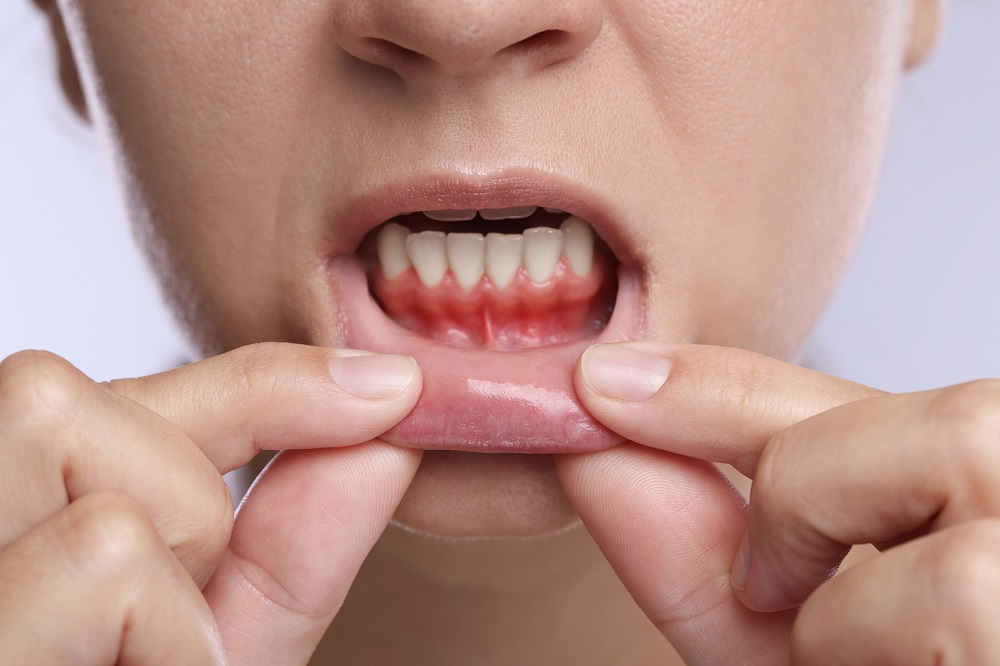
Periodontal disease begins with bacterial plaque accumulating around the teeth and under the gumline. If plaque is not disrupted regularly, the gums become inflamed. At first, that may look like redness, swelling, or bleeding when brushing. Left alone, the inflammation can deepen into the supporting tissues, affecting the periodontal ligament and the alveolar bone. Once bone loss begins, the conversation shifts from simple gingivitis to periodontitis, and the treatment needs become more involved.
Age matters because the mouth does not exist in isolation. Hormonal changes affect gum tissue. The immune system behaves differently across the lifespan. A young person may have resilient healing and minimal bone loss but poor oral hygiene habits. An older adult may have excellent brushing technique yet contend with dry mouth, diabetes, arthritis, multiple medications, and decades of wear on existing dental work. The disease process is still driven by bacteria and inflammation, but the host response changes.
A useful way to think about it is this: the older the patient, the more often periodontal treatment becomes less about a single procedure and more about long-term management. That is not always true, but it is common.
Childhood and the early warning years
Children do not usually present with advanced periodontitis, but they absolutely can show early signs of gum trouble. More often, the issue is plaque-induced gingivitis. The gums look puffy, the tissue bleeds easily, and cleaning is inconsistent. In mixed dentition, where baby teeth and permanent teeth coexist, brushing tends to be uneven. Parents may focus on cavities and miss the gum inflammation developing around newly erupted molars.
Orthodontic appliances complicate this stage. Brackets, wires, and retainers create plaque traps. Even highly motivated teenagers struggle to keep every margin clean. In those cases, periodontal treatment may be relatively conservative, consisting of professional cleanings at shorter intervals, coaching on brushing and interdental cleaning, and close monitoring of localized inflammation. The goal is not dramatic intervention. It is to stop inflammation before it gains momentum.
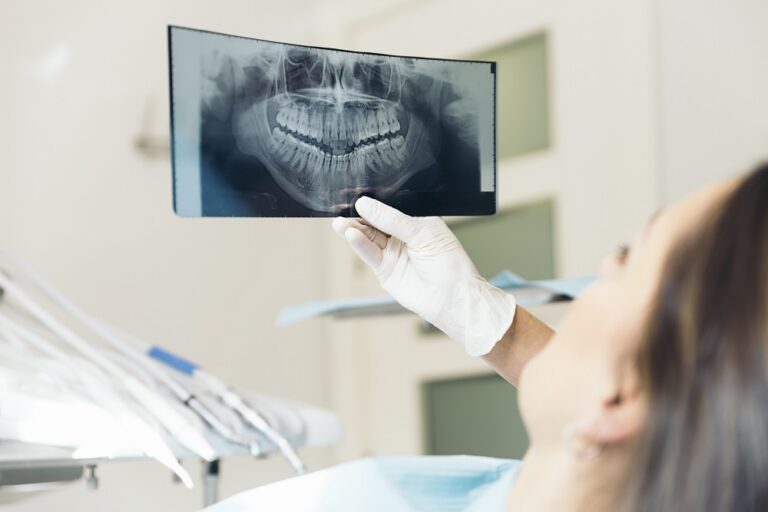
There are rarer but important exceptions. Aggressive forms of periodontal disease can appear in adolescents and young adults, sometimes with surprisingly rapid bone loss around first molars and incisors. These cases stand out because the amount of tissue destruction seems out of proportion to the visible plaque. Family history can matter. So can systemic conditions that alter immune function. When a young patient has deep pockets, mobility, or radiographic bone loss, timely referral to a periodontist is wise. Waiting six months to “see if it improves” can cost supporting bone that will not regenerate easily.
At this age, treatment is also educational. A fourteen-year-old does not always respond to abstract warnings about future tooth loss, but they will notice swollen gums around braces, bad breath before school, or tenderness that makes flossing unpleasant. Linking the care plan to something immediate often gets better compliance than lectures about retirement-age dental problems.
Late teens through the twenties, when neglect starts to show
Young adults often enter a deceptively quiet period. They are old enough to make their own health decisions, but many are in transition, leaving home, losing regular pediatric dental routines, and stretching budgets. Preventive visits become inconsistent. Smoking or vaping may begin. Diet changes, sleep worsens, and stress rises. None of that guarantees periodontal disease, but it creates conditions where mild inflammation can become established.
This is also an age when many people look healthy overall, which can mask early periodontal damage. A patient in their twenties may have bleeding gums every day and still dismiss it because nothing hurts. Gum disease is notorious for being painless until the damage is advanced enough to affect chewing or aesthetics.
Periodontal treatment in this phase often hinges on early diagnosis. If the issue is gingivitis, the response may be straightforward: a thorough professional cleaning, improved daily plaque control, and a follow-up to confirm the bleeding resolves. If pockets have formed, scaling and root planing may be indicated. That phrase can sound intimidating, but in practical terms it means carefully cleaning below the gumline and smoothing root surfaces to reduce bacterial retention and help the tissue reattach as much as possible.
Young adults tend to heal well, which is a major advantage. The challenge is behavior. If plaque control remains inconsistent, treatment results do not last. I have seen twenty-six-year-olds heal beautifully after deep cleaning, then return two years later with deeper pockets because the maintenance phase never happened. Periodontal treatment is rarely a one-time rescue. It is a process.
The thirties and forties, when gum health intersects with the rest of life
By the third and fourth decades, periodontal conditions often become more nuanced. Career demands, family responsibilities, chronic stress, and shifting health patterns start to influence the mouth in more visible ways. People may grind their teeth, snack more often, postpone cleanings, or take medications that reduce saliva. Existing restorations such as crowns or fillings may age and create plaque-retentive margins.
Hormones can also play a prominent role. Pregnancy gingivitis is common. Increased hormone levels can exaggerate the inflammatory response to plaque, making gums bleed more easily even when oral hygiene is fairly good. Pregnancy itself does not cause periodontal disease, but it can intensify underlying inflammation. This matters because discomfort and nausea may make brushing harder, especially during the first trimester. In these cases, periodontal treatment usually centers on safe professional care during pregnancy, meticulous home care guidance, and re-evaluation after delivery. Sometimes the gum changes settle significantly once hormone levels normalize, but the plaque control habits still need attention.
Diabetes becomes more relevant in this age range as well, particularly type 2 diabetes. The relationship between diabetes and periodontal disease runs both ways. Poor glycemic control can worsen periodontal inflammation, and periodontal infection can make blood sugar control harder. For a patient in their forties with rising A1C levels and moderate periodontitis, the treatment plan may need coordination with a physician, more frequent periodontal maintenance, and realistic conversations about healing. If blood sugars are poorly controlled, tissue response can be sluggish and recurrence more likely.
This is also the period when small signs matter. Mild recession, occasional food trapping, or one area that always bleeds are easy to ignore. Yet localized defects often start that way. A fractured filling edge, a tight crown margin, or habitual clenching can turn a manageable situation into a chronic problem. Good periodontal care at this age is often investigative. It asks not only, “What is inflamed?” but also, “Why this site, and why now?”
Midlife often changes the treatment conversation
Once patients move into their fifties and sixties, the cumulative effects of time become harder to separate from current disease activity. Bone levels reflect not just today’s inflammation but years of previous episodes, restorations, bite forces, and systemic health changes. The mouth becomes a record of long-term patterns.
That does not mean every older patient has severe gum disease. Many do very well because they have stable routines and understand maintenance. But when periodontal disease is present in this age group, treatment planning usually broadens. A clinician is not only trying to reduce pocket depths. They are also evaluating tooth prognosis, root exposure, furcation involvement on molars, existing bridges, implant considerations, and how much support each tooth has left.
At this stage, the distinction between saving a tooth and maintaining a tooth becomes important. A tooth can sometimes be saved in a technical sense but remain difficult to clean, prone to reinfection, or strategically poor in a larger restorative plan. For example, a sixty-two-year-old patient may have a molar with deep vertical bone loss and furcation exposure under an old crown. It might respond somewhat to periodontal treatment, but if the patient also has arthritis that limits flossing and several other compromised posterior teeth, the realistic long-term choice may differ from that of a healthy thirty-year-old with the same single-tooth defect.
Judgment matters here. Some patients want to preserve every natural tooth for as long as possible. Others prioritize comfort, function, and fewer repeated procedures. Neither goal is wrong. Age influences the decision because the time horizon, healing capacity, and maintenance burden all shift.
What changes later in life
Older adults often face a combination of factors that increase periodontal vulnerability without necessarily making symptoms obvious. Dry mouth is one of the biggest. Reduced saliva changes the oral environment, increases plaque retention, and can make tissues more fragile. Medications for blood pressure, depression, allergies, pain, and bladder control commonly contribute. Limited dexterity is another issue. If brushing and flossing become physically difficult, home care quality drops even in motivated patients.
The presentation can be subtle. An older adult may not complain of bleeding, but root surfaces become exposed through recession, spaces may open between teeth, and food impaction becomes constant. Some assume this is just normal aging. It is not. Recession and attachment loss are common with age, but they still deserve evaluation because active inflammation may be ongoing.
Periodontal treatment for seniors often succeeds when it is simplified and made practical. A beautifully detailed oral hygiene plan is useless if the patient cannot physically perform it. In real life, switching from string floss to interdental brushes, using an electric toothbrush with a larger handle, or shortening maintenance intervals from six months to three or four can make a bigger difference than adding more complexity.
Certain patterns tend to shape care in this group:
- More root exposure means sensitivity and higher risk of root decay alongside gum problems.
- Slower healing can affect how the tissue responds after deep cleanings or surgery.
- Multiple medications may increase dry mouth, bleeding tendency, or infection risk.
- Existing crowns, bridges, and implants can complicate plaque control and treatment access.
- Medical conditions such as diabetes, osteoporosis, and cardiovascular disease may influence planning.
These are not reasons to avoid periodontal treatment. They are reasons to personalize it.
Surgery is not determined by age alone
One of the most common misconceptions is that younger patients should always receive aggressive surgical treatment if bone loss is detected, while older adults should avoid surgery because of age. Neither assumption holds up well in practice.
Surgical periodontal treatment is usually considered when non-surgical care does not adequately control disease, when pocket depths remain inaccessible for cleaning, when defects are anatomically suitable for regenerative procedures, or when soft tissue correction would improve function or comfort. A forty-year-old with one deep vertical defect may be an excellent candidate for regenerative therapy. A seventy-five-year-old with well-controlled blood pressure, good home care, and a similar defect may also be a good candidate. Meanwhile, a younger patient who smokes heavily and skips maintenance may be a poor surgical candidate despite their age.
Healing potential generally declines with age, but chronologic age is not the only variable. Biological age, medical stability, nutrition, smoking status, plaque control, and commitment to follow-up often matter more. I have seen highly engaged older adults do better after periodontal surgery than much younger patients who disappear after the first postoperative check.
That said, the threshold for recommending surgery may change over time. In a patient with limited dexterity, advanced recession, and a low tolerance for multiple appointments, a conservative https://reidrkan952.clarionvale.com/posts/how-effective-is-periodontal-treatment-for-advanced-gum-disease maintenance strategy may be more appropriate than pursuing every possible corrective procedure. The right plan is the one that improves health and function without creating a burden the patient cannot sustain.
Implants, missing teeth, and the age factor
Age also affects how periodontal treatment intersects with tooth replacement. Younger adults with periodontitis present a special challenge because the desire for a quick, permanent-looking fix can be strong. Some assume that extracting compromised teeth and placing implants is easier than managing periodontal disease. Sometimes extraction truly is the most predictable option for a hopeless tooth. But implants are not immune to inflammatory disease. Peri-implant mucositis and peri-implantitis can develop, especially in patients with a history of periodontitis and inconsistent maintenance.
For older adults, implants may be limited by bone volume, health status, medication history, or budget. They may also be less necessary than patients think if existing teeth can be stabilized and functionally maintained. A seventy-year-old does not automatically need the same restorative endpoint as a forty-year-old. Conversely, a healthy older patient with strong motivation may be an excellent implant candidate.
The key point is that age influences goals. A younger patient may be planning for decades of use. An older patient may prioritize comfort, chewing efficiency, and easier hygiene over idealized reconstruction. Good periodontal planning starts with that honest discussion.
Why maintenance becomes more important with age
If there is one theme that grows stronger over time, it is the value of maintenance. Periodontal treatment is not just what happens on the day of scaling, root planing, or surgery. The real test comes in the months and years that follow.
Maintenance intervals are not arbitrary. Patients with a history of periodontitis often accumulate pathogenic bacteria again before a standard six-month cleaning cycle is complete. Three to four months is common for periodontal maintenance, especially in older adults, smokers, diabetics, and anyone with reduced dexterity or complex restorative work. This schedule is not punitive. It is preventive. It helps catch relapse while the changes are still manageable.
A maintenance visit is also different from a routine cleaning. Pocket depths may be remeasured. Bleeding points are checked. Plaque and calculus are removed from above and below the gumline with more attention to previously diseased sites. Changes in mobility, recession, bite trauma, or implant tissue health can be noted before they become major setbacks.
For many patients, this is the stage where age becomes most visible. The thirty-two-year-old who misses one maintenance visit may recover easily. The seventy-one-year-old with dry mouth, exposed roots, and an old bridge may lose significant ground over that same interval. The disease is still treatable, but the margin for neglect narrows.
What patients should watch for at different ages
The symptoms worth acting on are similar throughout life, but the meaning behind them can change. Bleeding gums in a teenager may point to plaque around orthodontic appliances. Bleeding in a postmenopausal patient on several medications may reflect a more complex inflammatory environment. Recession in a young adult may be tied to brushing trauma or orthodontic movement. Recession in an older adult may expose vulnerable root surfaces and signal long-standing attachment loss.
A practical short list of warning signs includes:
- gums that bleed during brushing or flossing
- persistent bad breath or a bad taste
- gums pulling away from teeth
- teeth that feel loose or seem to shift
- recurrent swelling, tenderness, or food trapping in one area
When these signs appear, the best next step is evaluation rather than guesswork. Mouthwash cannot repair attachment loss. A softer toothbrush cannot stop bone destruction if active periodontitis is present.
The best treatment is age-aware, not age-limited
The most effective periodontal treatment respects the realities of each life stage. For children and teens, the emphasis is often prevention, habits, and close supervision when appliances are involved. For young adults, the priority may be catching disease early before bone loss becomes established. In the thirties and forties, treatment often has to account for stress, pregnancy, diabetes, and the first signs of cumulative wear. Later in life, the plan usually becomes more individualized, balancing disease control with medical complexity, restorative needs, dexterity, and quality of life.
Age should sharpen clinical judgment, not narrow it. It should prompt better questions. How likely is this patient to heal predictably? Can they maintain the result at home? Is the goal long-term preservation of every tooth, or durable comfort and function with the least burden? What support do they need now that they did not need ten or twenty years ago?
When those questions are asked honestly, periodontal treatment becomes more precise and more humane. It stops being a generic response to gum disease and becomes what it should be: a tailored plan that fits the biology, the risks, and the person sitting in the chair.
Avra Dental
Address: 1708 S Victoria Ave B, Ventura, CA 93003
Phone number: (805) 941-1001
FAQ About Periodontal Treatment
Can a dentist get rid of periodontal disease?
A dentist or gum specialist (periodontist) cannot fully cure or reverse advanced periodontal disease (periodontitis), but they can successfully stop its progression and manage the infection.
Is periodontitis very serious?
Yes, periodontitis is a very serious, advanced form of gum disease that destroys the bone and tissues supporting your teeth.
How is stage 2 periodontal disease treated?
Stage 2 periodontal disease (early to moderate periodontitis) is primarily treated with non-surgical deep cleaning procedures like scaling and root planing to remove bacteria and tartar below the gumline.