Emergency Dentist Ventura Tips for Parents Facing a Child’s Dental Crisis
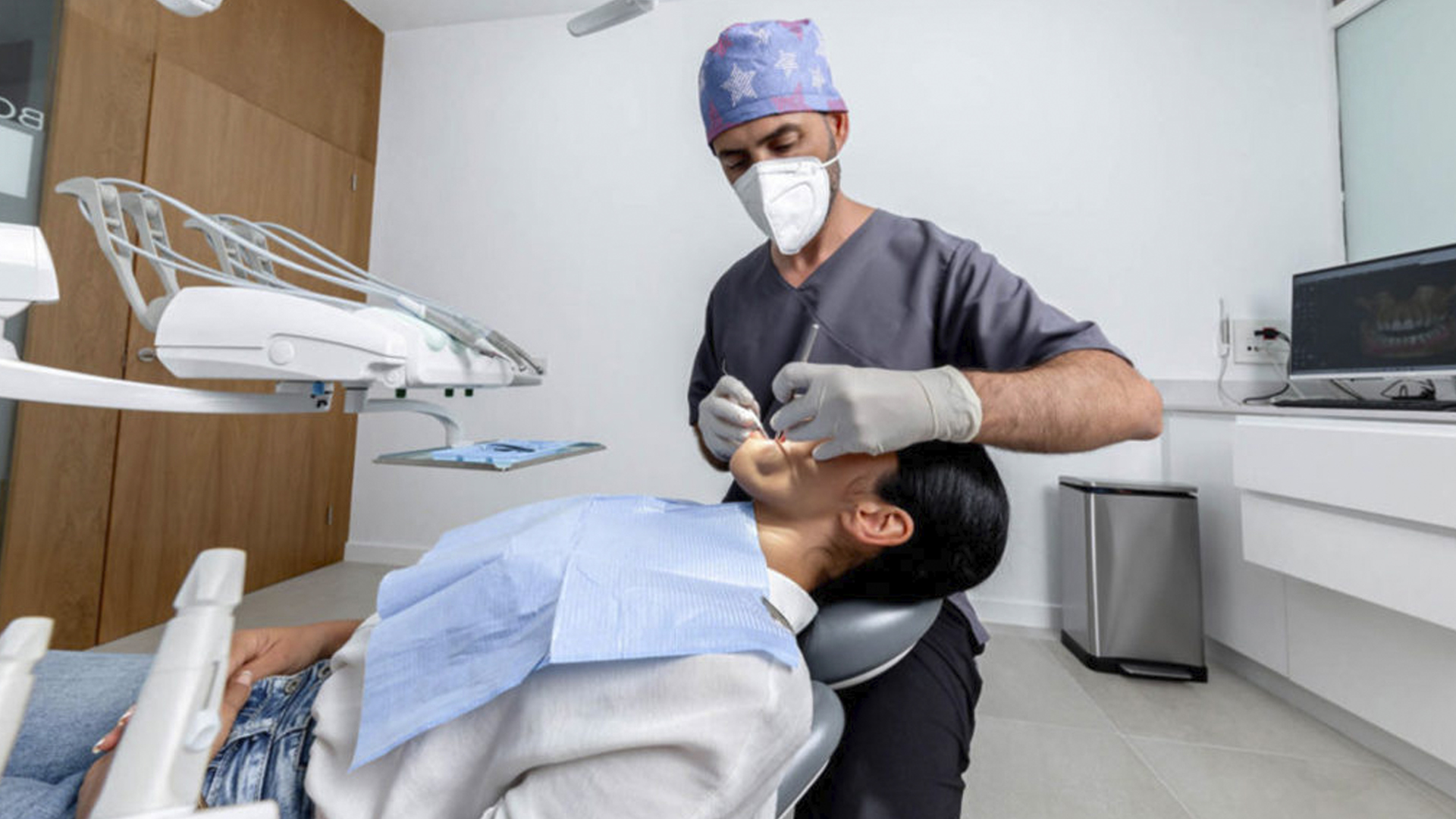

A child’s dental emergency has a way of changing the temperature in a room. One minute you are packing lunches or heading to soccer practice, and the next you are staring at a mouthful of blood, a swollen cheek, or a tooth in your hand. Parents often tell me the same thing afterward: the hardest part was not the injury itself, it was the uncertainty. They did not know whether to rush in immediately, call and monitor, or head to the ER.
That uncertainty matters because timing can affect pain, infection risk, and in some cases whether a tooth can be saved. It also matters because children do not always describe pain clearly. A six-year-old may say a tooth “feels funny” when they actually have a crack into the nerve. A teenager may insist they are fine because they do not want to miss practice, even though their jaw is swelling by the hour.
If you are searching for an Emergency Dentist Ventura parents can rely on, the most useful thing you can bring to the moment is not perfect knowledge. It is a calm plan. Dental emergencies in children are rarely convenient, but they are manageable when you know what deserves immediate care, what you can do at home in the first few minutes, and what details to tell the dental office when you call.
The first five minutes matter more than most parents realize
The first response sets the tone for everything that follows. Children take emotional cues from adults, especially when they are hurt. If a parent panics, a child often becomes harder to examine, harder to comfort, and less willing to let anyone near the mouth. If a parent slows down and acts with purpose, the child usually settles enough for the next step.
Start with the basics. Check for active bleeding, obvious facial injury, and whether the child can breathe and swallow comfortably. If the injury involved a fall, a collision, or a hit to the head, look beyond the teeth. Dizziness, vomiting, confusion, loss of consciousness, or a possible jaw fracture means you may need emergency medical care first, not dental care first.
Once you know the child is medically stable, focus on the mouth. Gently rinse with water if there is dirt or blood. A clean cloth or gauze held with light pressure can control bleeding from lips or gums. A cold compress on the outside of the face helps with pain and swelling. If your child is old enough to safely take it and has no medical reason to avoid it, a standard over-the-counter pain reliever may help, but avoid putting aspirin directly on the gum. Parents still do this from time to time, and it can irritate the tissue badly.
One practical point that gets missed in the rush: if a tooth fragment broke off, find it if you can. It is not always usable, but sometimes a dentist can bond a clean fragment back in place, especially when the break is recent and the piece has been kept moist.
Knowing what counts as a true dental emergency
Not every tooth problem needs same-hour care, but some absolutely do. The difficult part is that symptoms overlap. A small chip may look dramatic and not be urgent. A barely visible crack may cause severe nerve pain and require immediate treatment.
A dental emergency for a child usually falls into one of three categories: trauma, infection, or uncontrolled pain. Trauma includes knocked-out teeth, displaced teeth, deep chips, bites through the lip, and jaw injuries. Infection includes swelling of the gums or face, fever with tooth pain, or a bad-tasting drainage from the gum. Uncontrolled pain means pain strong enough to keep a child from eating, sleeping, or functioning, even if you do not yet know the cause.
Parents sometimes wait too long with swelling because the child says the tooth only “hurts a little.” Swelling is not a symptom to casually observe overnight, especially when it is spreading, making it harder to open the mouth, or paired with fever. Dental infections in children can move quickly. That is the kind of situation where contacting an Emergency Dentist Ventura office promptly can spare your child a rough night and prevent a bigger problem by morning.
Baby tooth or adult tooth, the answer changes
One of the most important distinctions in pediatric dental emergencies is whether the injured tooth is a primary tooth or a permanent tooth. Many parents are understandably unsure in the heat of the moment, especially around ages six to twelve when children have a mixed smile.
If a baby tooth gets knocked out completely, do not try to reinsert it. That surprises many parents, but forcing a primary tooth back into place can damage the developing permanent tooth underneath. The goal is pain control, bleeding control, and a prompt dental evaluation.
If a permanent tooth gets knocked out, time becomes critical. The best outcomes usually happen when the tooth is replanted quickly, ideally within 30 minutes, though there can still be hope beyond that depending on how the tooth was handled and stored. Hold the tooth by the crown, not the root. If it is dirty, rinse it briefly with milk or saline, or a quick gentle water rinse if nothing else is available. Do not scrub it. In some cases, older children and calm parents can place it back in the socket immediately, but many families are too shaken for that, and that is understandable. The next best choice is to keep it moist in milk or a tooth preservation solution if you have one, then head straight for care.
This baby-versus-adult distinction affects other injuries too. A pushed-in baby tooth may be monitored differently than a pushed-in permanent tooth. A chipped permanent front tooth can have long-term cosmetic and nerve implications that a chipped primary tooth may not. Age matters, tooth type matters, and so does the direction of the injury.
What to do in the most common crises
Parents do best when they can match the scene in front of them to a simple response. These are the situations that come up most often in real practice and on after-hours calls.
- A tooth is knocked out: Confirm whether it is a permanent tooth. Handle it by the crown, keep it moist, and seek immediate care. Reinsert only if it is permanent and you can do so safely.
- A tooth is chipped or cracked: Rinse the mouth, save any pieces, use a cold compress, and get the tooth evaluated soon, especially if the child has sensitivity to air or temperature.
- The face or gums are swelling: Call promptly, particularly if there is fever, pain on biting, or swelling near the eye or under the jaw.
- There is bleeding after a fall or bite: Apply steady pressure with clean gauze or cloth for about 10 minutes without repeatedly checking. If bleeding does not slow, seek urgent evaluation.
- A tooth is loose or pushed out of position: Do not force it into place at home. Have a dentist assess it quickly because the supporting tissues may be injured.
These are general rules, not perfect scripts. The details matter. A chipped front tooth after a playground fall is one thing. A back tooth that cracked while chewing and now causes sharp pain with cold may point to a very different treatment path.
The hidden emergencies parents often miss
The dramatic injuries get attention. The quieter ones often get underestimated.
A child who wakes up at 2 a.m. With severe tooth pain but no visible swelling may have deep decay into the nerve. That is not something to brush off with “we will call next week.” A painful molar can go from irritated to infected fast, especially if the child already had untreated cavities. Likewise, a gum bump that comes and goes near a tooth may be draining infection. Parents sometimes think it is “just a pimple,” but it usually means the body is venting pressure from a deeper source.
Another commonly missed issue is trauma without a broken tooth. A child may get hit in the mouth, seem okay, and show no obvious damage except mild soreness. Days later the tooth begins to darken or becomes tender to biting. That delayed change can mean the nerve was injured at the time of impact. Any tooth that changes color after trauma deserves follow-up, even if the child stopped complaining.
Orthodontic problems can also become urgent. A poking wire, broken bracket, or dislodged appliance can leave a child miserable. It may not be life-threatening, but it can still require same-day relief, especially if it is cutting into the cheek or making it impossible to eat.
Calling the dental office, what to say so they can triage quickly
When parents call in a crisis, the most helpful calls are not necessarily the longest. They are the clearest. Front desk teams and on-call dentists can triage far better when they hear a few specific details up front.
Start with your child’s age and whether the problem involves a front or back tooth. Say when it happened and whether it was from injury, swelling, or spontaneous pain. Mention if the tooth is permanent or if you are not sure. Then tell them about bleeding, facial swelling, fever, difficulty opening the mouth, and whether the child can drink. If a tooth was knocked out, say how it has been stored and how much time has passed.
A parent once described a situation as “a little mouth injury” that turned out to be a front permanent tooth completely avulsed and wrapped dry in a napkin for nearly an hour. Another parent apologized for “overreacting” when their child had cheek swelling and a low fever from an abscessed baby molar, which absolutely did need prompt care. Understatement is common. If you are deciding whether to call, call.
When families look for an Emergency Dentist Ventura provider during a stressful moment, speed is important, but so is fit. A child in pain may need a team that is used to young patients, can explain clearly, and can move between reassurance and treatment without escalating fear.
Pain control at home, helpful versus harmful
Parents want to do something while they are waiting, and that instinct is good. The key is doing the right kind of something.
Cold helps more than heat in the early phase of trauma and swelling. A cold compress on the outside of the face reduces inflammation and can numb the area a bit. Soft foods are usually better than chewing through pain. https://cruzxtzu519.ironwoodscope.com/posts/how-to-choose-a-reliable-emergency-dentist-ventura-in-a-crisis Yogurt, applesauce, eggs, pasta, smoothies, and lukewarm soup tend to go over well. Very hot, very cold, crunchy, or acidic foods can make a damaged tooth light up.
A saltwater rinse can soothe irritated gums in older children who can swish and spit reliably. Good oral hygiene still matters, even when the area is sore. Plaque sitting on injured tissue tends to make things feel worse, not better.
What parents should avoid is just as important. Do not place crushed aspirin on the gum. Do not use clove oil carelessly around young children because it can irritate tissue and is easy to overapply. Do not test a painful tooth repeatedly with cold water or by tapping it. And do not assume that if pain medicine dulls the pain, the problem is under control. Pain relief does not tell you whether the tooth is stable or infected.
If the child is frightened, behavior management becomes part of emergency care
A child in pain often becomes a child in defense mode. They may clamp down, cry before anyone touches them, or refuse to get in the car. This is not stubbornness. It is self-protection.
The best parental script is short and honest. Tell them what is happening and what will happen next. “Your tooth got hurt. We are going to get help. They will look first, then they will tell us what needs fixing.” Avoid promises you cannot guarantee, such as “it won’t hurt at all.” Children remember those promises when reality gets more complicated.
Bring a comfort item if your child uses one. Keep your own voice lower than you think it needs to be. If your child is prone to gagging or panic, tell the office before you arrive. That gives the team a chance to prepare. In pediatric emergencies, the emotional setup can change the whole appointment. A skilled office will pace the interaction, use child-friendly language, and focus on getting enough information and trust to treat safely.
Teenagers need a different approach. They usually want direct answers and privacy. If a sports injury affected a front tooth, the cosmetic worry may hit them before the pain does. Address both. Function and appearance matter, and both are valid concerns.
Sports, playgrounds, and roughhousing, the predictable causes
Plenty of dental emergencies are freak accidents, but many are plain patterns. Bunk bed falls, scooter spills, pool deck slips, elbow-to-mouth collisions during basketball, and trampoline mishaps come up over and over again. The age range changes the cause. Toddlers fall because they are top-heavy and still learning balance. Elementary-age kids get injured running and climbing. Older kids get hurt in organized sports and recreational risks with speed involved.
Mouthguards remain one of the most underused protective tools in youth sports. Families often associate them with football, but basketball, baseball, skateboarding, soccer, hockey, and martial arts all produce dental trauma. A custom mouthguard usually fits and protects better than a boil-and-bite version, but even a store-bought one is better than nothing. The point is not perfection. It is reducing the odds of the kind of impact that turns a regular afternoon into an emergency visit.
At home, a few safety habits also matter. No running with toothbrushes in the mouth. No chewing ice. No using teeth to open packages. Those sound basic, but nearly every dental team has seen injuries from all three.
When an emergency room makes sense, and when a dentist is the better first stop
Parents sometimes assume the ER is the safest choice because it is always open. Sometimes it is. If your child has a head injury, trouble breathing, uncontrolled bleeding, a possible jaw fracture, or swelling that affects swallowing or breathing, emergency medical care comes first.
But for many isolated dental problems, a dentist is the more efficient and more definitive first call. Emergency rooms can help with pain control, infection assessment, and serious medical complications. They usually are not equipped to replant a tooth, splint a mobile tooth, adjust a bite, place a temporary crown, or complete most dental procedures on the spot. Families often spend hours there only to be told to follow up with a dentist as soon as possible.
That distinction matters during evenings, weekends, and holidays. Knowing ahead of time which local office handles urgent cases, whether they see children, and how after-hours calls are routed can save a lot of stress. Many parents do not think to look this up until they need it, but it is one of those details that pays off later.
What treatment might look like once you get there
Emergency appointments are often more focused than routine visits. The first job is to diagnose the immediate problem and stabilize it. That may mean X-rays, a trauma exam, checking how the teeth fit together, testing mobility, and looking at soft tissues. If your child is upset, the dentist may gather information in stages rather than all at once.
Treatment depends on the injury. A chipped tooth may be smoothed, bonded, or temporarily protected. A loose or displaced permanent tooth may need to be repositioned and splinted. An abscessed tooth may need drainage, pulpal treatment, or extraction depending on the tooth and the child’s age. A cut lip may need simple care or referral if it is deep or crosses certain borders.
Not every emergency gets fully “finished” in one visit. Sometimes the goal is to stop pain, reduce infection risk, and protect the tooth until a calmer follow-up appointment can handle the rest. Parents appreciate knowing that temporary does not mean incomplete or careless. It often means smart sequencing.
The next few days, when problems can evolve
One of the harder truths about children’s dental trauma is that the story does not always end at the first appointment. A tooth that looked stable on day one can declare itself later. The nerve can inflame, the tooth can discolor, or tenderness can develop once the adrenaline wears off.
That is why follow-up matters, even when your child seems back to normal. Dentists may want to recheck an injured tooth weeks or months later, especially if it was hit hard, moved, or developed bleeding around the gumline. Primary teeth need monitoring because trauma can affect the permanent tooth forming below. Permanent teeth need monitoring because nerve and root changes can take time to show up.
This delayed aspect of care catches some families off guard. The child is eating fine, the swelling is gone, and life has moved on. Then a routine follow-up reveals a problem that only X-rays or repeat exams could catch. Keeping those appointments is part of emergency care, not an optional extra.
A simple preparedness habit that lowers panic
Most families have a first-aid kit. Fewer have a dental emergency plan. It does not have to be elaborate. Save the number of your child’s dental office and identify an Emergency Dentist Ventura option that sees children after hours. Keep clean gauze, a cold pack, and a small container in your home kit and sports bag. If your child plays contact sports, add a backup mouthguard.
That tiny amount of planning changes the emotional math when something goes wrong. Instead of spiraling through online searches while your child cries in the back seat, you know who to call and what to do first. That is often the difference between a chaotic response and a competent one.
Parents are not expected to diagnose every dental problem on sight. They are expected to notice, respond, and seek the right level of care. If your child is bleeding, swelling, in significant pain, or has injured a permanent tooth, trust that instinct to act. Fast decisions, a calm tone, and prompt professional care go a long way in protecting both your child’s smile and your own peace of mind.
Avra Dental
1708 S Victoria Ave B, Ventura, CA 93003, United States
Phone: +1 805-765-3206
FAQ About Emergency Dentist Ventura
Can the ER do anything for tooth pain?
An emergency department can assess serious symptoms and provide temporary relief, but definitive dental treatment usually requires a dentist. Trouble breathing or swallowing, uncontrolled bleeding, or swelling spreading into the neck requires emergency medical care.
What do I do if I have a dental emergency and no dentist?
Contact a local emergency dental practice promptly, explain your symptoms, and ask about the earliest available assessment. Avra Dental provides emergency dentistry in Ventura; call to confirm availability. If you have life-threatening symptoms or a serious facial injury, go to an emergency department or call 911.
What do I do if tooth pain is unbearable?
Seek urgent dental assessment rather than waiting for the pain to pass. While arranging care, gently rinse with warm water and avoid placing aspirin directly on the tooth or gums. Severe pain with trouble breathing or swallowing, rapidly spreading swelling, or uncontrolled bleeding needs immediate emergency medical care.