100% Natural Recovery Tips to Support Periodontal Treatment
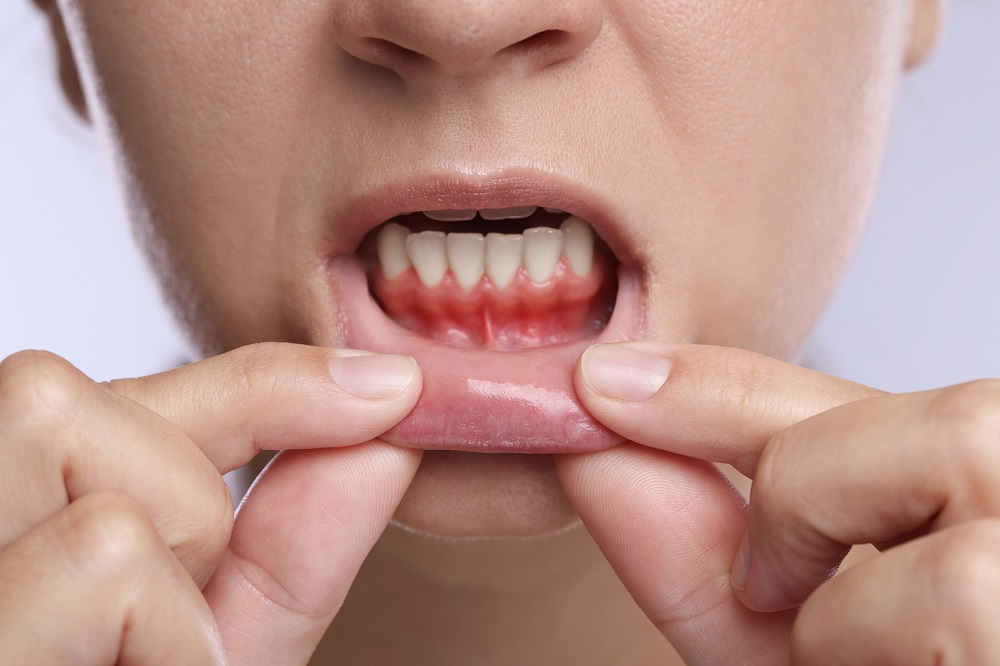
Periodontal treatment does the hard clinical work of stopping infection, reducing deep inflammation, and giving the gums a chance to reattach and heal. What happens at home afterward matters more than many people realize. I have seen patients with nearly identical treatment plans heal very differently based on what they did in the first few days, the first few weeks, and the months that followed. The difference was rarely some exotic product. More often, it came down to consistency, restraint, and a few practical habits that reduced irritation while the tissues recovered.
Natural recovery support has a place here, but it helps to define the term carefully. “Natural” does not mean untested folk remedies or abrasive DIY fixes. It means using food, hydration, sleep, gentle hygiene, stress control, and simple anti-inflammatory habits to support the biology of healing. These steps cannot replace periodontal treatment, and they should never be used to delay care for gum infection, loose teeth, swelling, bleeding, or pain. They can, however, make recovery smoother and help protect the investment you made in treatment.
What your gums are recovering from
Periodontal disease is not just “bad gums.” It is a chronic infection and inflammatory process that affects the gum tissue, the ligament around the teeth, and the supporting bone. During periodontal treatment, whether that means scaling and root planing, localized antibiotic placement, maintenance cleanings, or surgical care in more advanced cases, the goal is to disrupt the bacterial biofilm and reduce the inflammatory burden enough for healing to begin.
After treatment, the gum tissues are often tender and vulnerable. They may feel slightly swollen, look redder than usual, or bleed lightly for a short time. This does not always mean something is wrong. It usually means the tissues are responding to both the disease that was there and the treatment that addressed it. The body now has to rebuild. Blood flow changes, immune activity shifts, collagen remodeling begins, and the gum margin starts adapting to a cleaner tooth surface.
That process depends on conditions you can influence every day. Smoking, poor sleep, frequent sugar exposure, dehydration, clenching, and rough brushing all work against recovery. A nutrient-dense diet, stable blood sugar, excellent plaque control, and good rest tend to support it.
The first 72 hours, gentle habits matter most
The earliest phase after periodontal treatment is not the time to attack your mouth with every “natural” remedy you have heard about online. Freshly treated gums do not respond well to harsh rinses, aggressive flossing, gritty powders, or essential oils used at full strength. Healing tissue likes calm.
Cool water is often your friend in the first day or two. It keeps the mouth feeling clean without irritating the area. If your clinician advised warm salt water after a certain point, use it gently, not as a vigorous swish. A mild salt-water rinse can be soothing because it helps keep debris from sitting near the gums and can make the mouth feel more comfortable. Typically, a simple mix of about half a teaspoon of salt in a cup of warm water is enough. The rinse should be tipped around the mouth, then allowed to fall out rather than forcefully spat.
Soft foods also help. This is not merely about comfort. Crunchy chips, seeded crackers, crusty bread, and sharp-edged foods can mechanically irritate the gum margin. Even healthy foods can be a problem if their texture is too rough too soon. A patient once told me she thought she was “being good” by eating a large raw kale salad the evening after deep cleaning. By the next morning, her gums were far sorer than expected. The kale was nutritious, but the timing was poor.
Food can either calm inflammation or keep it smoldering
When people ask for natural recovery tips, diet is usually where the conversation starts, and for good reason. Gum tissues heal best when the body has enough protein, vitamin C, zinc, and a steady supply of micronutrients from real food. At the same time, frequent sugar and ultra-processed snacks feed the conditions that allow harmful bacteria to thrive.
A healing diet after periodontal treatment does not have to be trendy. It should be soft enough at first, rich in nutrients, and low in frequent sugary exposures. Smooth soups, plain yogurt if tolerated, eggs, oatmeal, stewed vegetables, flaky fish, beans cooked until soft, mashed sweet potatoes, and fruit that is soft rather than highly acidic are all practical choices. As tenderness settles, more texture can return.
Protein deserves special attention. The mouth heals quickly compared with many parts of the body, but that speed depends on raw materials. If someone eats very little protein, especially after procedures, the gums can stay tender longer and tissue remodeling may lag. Most adults do better when each meal includes a meaningful protein source rather than treating protein as an afterthought.
Vitamin C also matters because it supports collagen formation, and collagen is central to gum integrity. This does not mean megadosing supplements unless a clinician has advised it. It means consistently eating foods that supply it, such as berries, kiwi, citrus in moderation if it does not sting, bell peppers, and cooked greens.
Foods and habits that usually support gum healing
- Soft, protein-rich meals such as eggs, yogurt, tender fish, tofu, beans, and slow-cooked chicken
- Vitamin C-rich produce, especially berries, kiwi, peppers, and cooked vegetables that are easy to chew
- Water throughout the day, especially if you tend to mouth-breathe or take medications that dry the mouth
- Fewer sugary drinks and less grazing on sticky snacks between meals
- Alcohol kept low or avoided during early healing, because it can dry and irritate tissues
The pattern matters as much as the menu. Someone who eats well at dinner but sips sweet coffee all morning and snacks on crackers all afternoon may still keep the mouth in a pro-inflammatory state. Frequency of exposure matters in dentistry. The gums and teeth do better when meals are distinct, hydration is steady, and sugary or starchy foods are not constantly bathing the mouth.
Hydration is more important than it sounds
Dry mouth is one of the least appreciated barriers to periodontal recovery. Saliva buffers acids, helps control microbes, and physically clears food debris. When saliva is reduced, plaque tends to build faster, tissues become easier to irritate, and the mouth feels sticky or stale.
Some people are dry because they simply do not drink enough water. Others are dry because of allergy medications, antidepressants, blood pressure drugs, antihistamines, or nighttime mouth breathing. Recovery after periodontal treatment is smoother when the mouth stays moist.
Water is the simplest tool here. Sipping regularly throughout the day helps more than drinking a huge amount at once and then going hours without more. If you wake with a dry mouth, consider whether nasal congestion, snoring, or open-mouth sleeping is part of the problem. Patients who address that issue often notice less morning gum tenderness and a cleaner-feeling mouth overall.
Caffeinated drinks do not need to disappear entirely, but they should not crowd out water. Very acidic drinks, especially if sipped slowly, can also aggravate sensitivity after treatment. This includes many energy drinks, citrus beverages, and sparkling drinks with added acids.
The clean mouth, but not an overworked mouth
Oral hygiene after periodontal treatment requires judgment. You need to remove plaque effectively, but you do not need to scrub. In fact, scrubbing can set healing back.
A soft-bristled toothbrush is usually the right choice. The motion should be gentle and controlled, angled toward the gumline, with enough contact to disrupt plaque but not enough pressure to blanch the gums or fray the bristles within weeks. If you tend to brush hard, an electric brush with a pressure sensor can be helpful, though the tool matters less than the technique.
Flossing and interdental cleaning should follow the instructions given for your specific treatment. In some areas, especially after surgery or in very tender sites, your clinician may want you to modify technique temporarily. Once you are cleared, daily cleaning between the teeth becomes essential because periodontal disease thrives where the brush cannot reach. For many adults with recession or spaces between teeth, small interdental brushes clean more effectively than floss alone. That is not a “natural remedy,” but it is one of the most practical ways to support long-term healing.
Natural does not automatically mean safe in this category. Baking soda can be useful in some contexts, but aggressive rubbing with powder is too abrasive for irritated tissues. Hydrogen peroxide, used casually and repeatedly, can be harsh. Undiluted essential oils can burn. Charcoal products are especially poor choices during gum recovery because they are often abrasive and give people a false sense of cleanliness while irritating the tissues.
Sleep is a real periodontal recovery tool
People often underestimate how much healing happens during sleep. Tissue repair, immune regulation, and inflammation control all depend on adequate rest. When sleep is short or fragmented, the body tends to stay in a more inflammatory state. That matters for the gums.
In practice, people who sleep poorly often show a cluster of problems that complicate periodontal recovery. They clench more, mouth-breathe more, snack later, and have less patience for careful oral hygiene. The gums do not heal in isolation from those behaviors.
A simple goal of seven to nine hours of sleep is not always easy, but even modest improvements can help. A consistent bedtime, less alcohol late at night, and reducing screen exposure before sleep can support recovery indirectly by improving sleep depth and routine. If loud snoring, witnessed pauses in breathing, or severe dry mouth in the morning are present, that is worth discussing with a physician. Sleep-disordered breathing can quietly work against oral health for years.
Stress shows up in the mouth
Anyone who works around periodontal care long enough sees the stress pattern. A patient starts a https://eduardonzjk550.opalvector.com/posts/can-teens-need-periodontal-treatment-warning-signs-to-watch demanding job, navigates a family crisis, or goes through months of poor sleep and tension, and suddenly there is more inflammation, more clenching, more inconsistent brushing, and more bleeding.
Stress does not cause periodontal disease by itself, but it can make control harder. Cortisol shifts, immune effects, dry mouth, jaw tension, and behavior changes all add up. That is why natural recovery support should include stress regulation, not as a vague wellness slogan, but as a practical clinical support.
Short walks help. So does gentle exercise that improves circulation without leaving you dehydrated and clenched. Breathing through the nose for a few slow minutes before bed can reduce mouth dryness and jaw tension for some people. Even simple rituals, like taking ten quiet minutes after dinner instead of eating while driving or working, can lower the chance of stress-snacking and rushed brushing.
Inflammation and blood sugar, the hidden connection
One of the strongest patterns in periodontal care is the relationship between blood sugar control and gum healing. People do not need to have diagnosed diabetes for this to matter. Repeated spikes from sweet drinks, desserts, and refined snack foods can keep inflammation elevated and make plaque control more difficult.
This is where “natural” support becomes less about adding special foods and more about subtracting destabilizing habits. A breakfast of pastry and sweet coffee often leads to a different oral environment than eggs, oats, yogurt, or another meal with protein and fiber. The first pattern tends to be followed by hunger, grazing, and more dry mouth. The second usually leads to steadier energy and fewer mouth exposures.
For people with diabetes, periodontal treatment and glycemic control often improve together. Better gums can reduce inflammatory burden, and better blood sugar can support gum healing. If you are in that group, this is one of the most powerful areas to discuss with both your dentist and medical team.
A few natural remedies that can help, and a few that are best skipped
There is room for simple natural supports, but the key word is simple. A warm salt-water rinse, used gently and appropriately, is a classic because it is low-risk and soothing. Green tea, unsweetened and not too hot, may be a reasonable beverage choice because it is less acidic than many alternatives and contains plant compounds associated with anti-inflammatory benefits. A diet rich in omega-3 fats from foods like salmon, sardines, walnuts, and flax can support overall inflammatory balance.
What tends to go wrong is when people escalate from supportive habits to home treatment fantasies. Rubbing garlic on the gums, swishing strong vinegar, using concentrated essential oils, scraping tartar at home, or trying internet “detox” protocols often turns a manageable recovery into a more inflamed, more sensitive situation. If a remedy stings sharply, tastes caustic, leaves the tissues looking white or irritated, or makes you avoid normal brushing because it hurts, it is not helping.
Smoking and vaping can cancel out good intentions
It is difficult to overstate how strongly smoking undermines periodontal healing. Nicotine reduces blood flow, alters immune response, and can mask visible bleeding while the disease quietly progresses. Vaping is not a safe workaround for healing gums. Even when there is less staining or odor, the heat, chemicals, and drying effect can still irritate tissues and interfere with recovery.
I have seen patients do nearly everything right, then struggle because they continued to smoke after periodontal treatment. The opposite is also true. People who reduce or quit often notice less tenderness, better breath, less morning film, and healthier-looking gums within weeks. It is one of the few changes that can reshape the prognosis quickly.
What a realistic home routine looks like
People often succeed when the routine is clear and boring enough to repeat. Dramatic plans usually fail. A realistic day after periodontal treatment might look like this: a soft but protein-rich breakfast, water through the morning, gentle brushing with a soft brush, no constant snacking, a balanced lunch, another pass with water after eating, careful evening brushing, cleaning between the teeth as directed, then a full night of sleep. It is not glamorous, but it works.
Signs your recovery routine is on track
- Tenderness gradually decreases rather than intensifies after the first few days
- Bleeding becomes less frequent with gentle brushing and interdental cleaning
- Your breath improves and the mouth feels less coated or swollen
- Cold sensitivity, if present, is manageable and not steadily worsening
- You can keep the area clean without sharp pain or repeated irritation
Recovery is rarely perfectly linear. One side of the mouth may feel normal before the other. A tender spot may flare if food gets trapped or if you brush too hard one night. What you want is the overall trend toward less inflammation, less bleeding, and easier hygiene.
When natural support is not enough
There are limits to home care, and recognizing them early can save teeth. If swelling increases, pain throbs or wakes you at night, pus appears, fever develops, teeth feel newly loose, or bleeding remains heavy, you need professional guidance. Those signs suggest that the issue is beyond normal healing and may require evaluation, cleaning, medication, or adjustment of the treatment plan.
The same is true if months pass and the gums still bleed every day despite careful home care. At that point, the question is not whether you need more natural remedies. It is whether there is residual calculus, an inaccessible pocket, an ill-fitting dental restoration, a clenching habit, uncontrolled dry mouth, or a systemic factor keeping inflammation alive.
The long view after periodontal treatment
The most successful patients tend to understand one thing clearly: periodontal treatment is not a one-time reset that makes the gums maintenance-free. It creates an opportunity. The infection burden is lowered, the tissues are given a chance, and then daily choices determine whether that chance turns into stability.
Natural recovery tips matter because they support the conditions the body needs to heal. Real food, steady hydration, gentle but excellent plaque control, low sugar frequency, good sleep, and reduced smoking or vaping are not flashy interventions. They are the fundamentals that repeatedly prove their value.
If you keep those fundamentals in place, the mouth usually tells you. Gums look firmer. Bleeding fades. Breath improves. Cleanings become easier. Teeth feel more comfortable. That is the kind of progress worth aiming for after periodontal treatment, not dramatic promises, but steady healing you can see and feel.
Avra Dental
Address: 1708 S Victoria Ave B, Ventura, CA 93003
Phone number: (805) 941-1001
FAQ About Periodontal Treatment
Can a dentist get rid of periodontal disease?
A dentist or gum specialist (periodontist) cannot fully cure or reverse advanced periodontal disease (periodontitis), but they can successfully stop its progression and manage the infection.
Is periodontitis very serious?
Yes, periodontitis is a very serious, advanced form of gum disease that destroys the bone and tissues supporting your teeth.
How is stage 2 periodontal disease treated?
Stage 2 periodontal disease (early to moderate periodontitis) is primarily treated with non-surgical deep cleaning procedures like scaling and root planing to remove bacteria and tartar below the gumline.